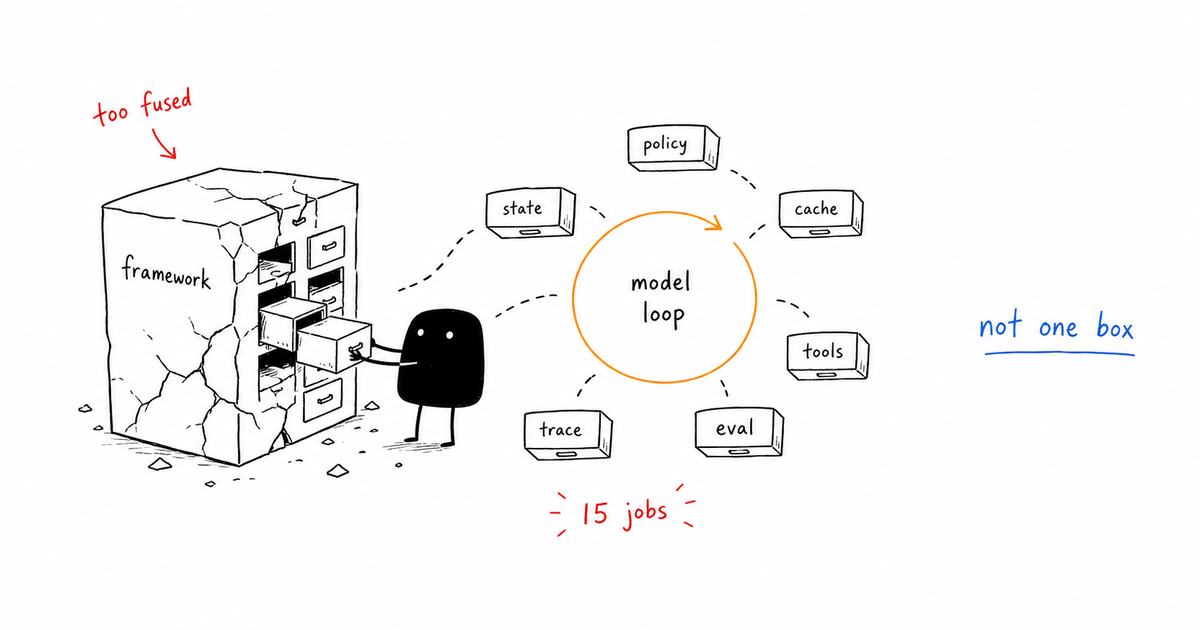
Can you explain why the agent made the decision it made?
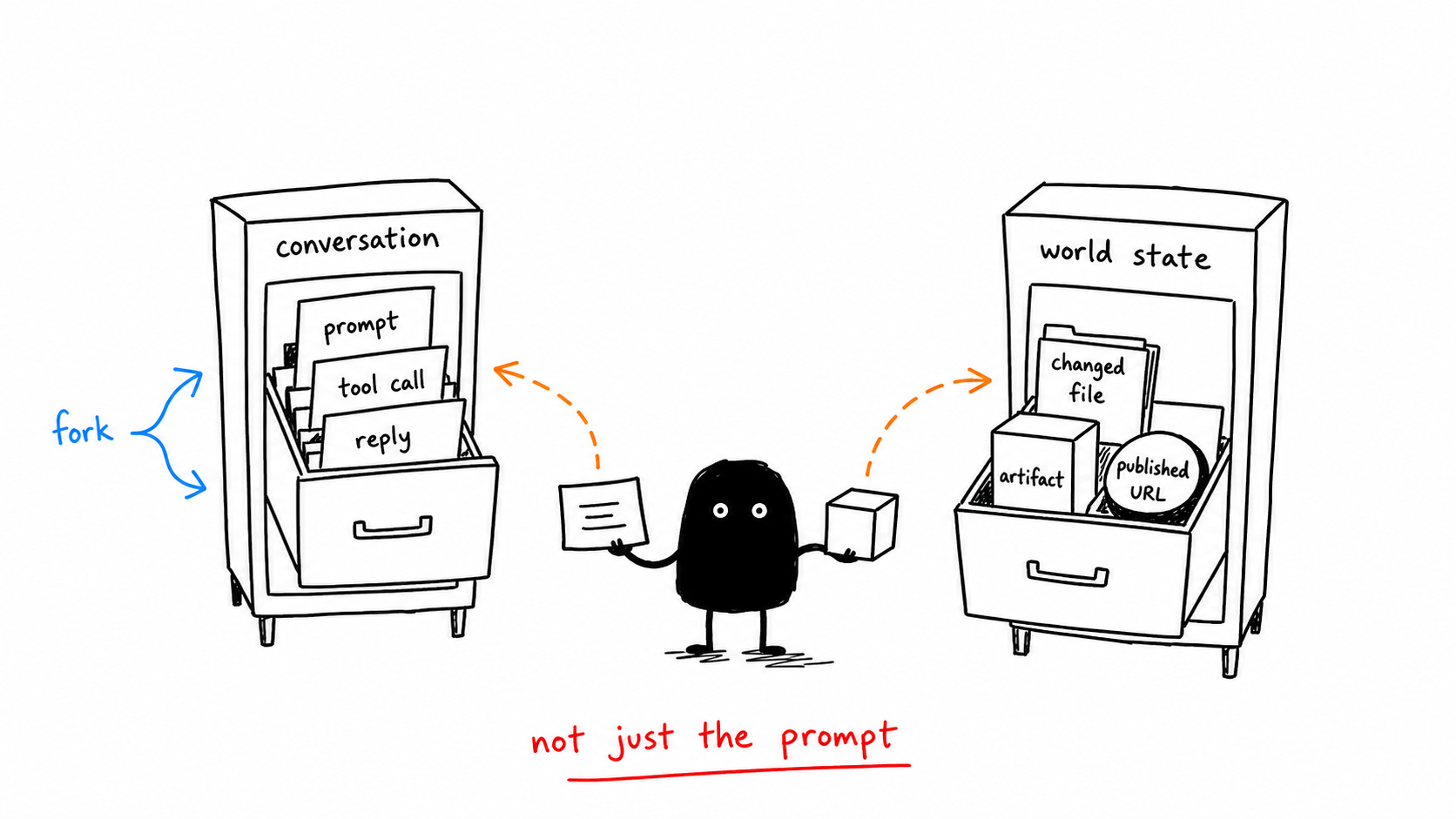
The tempting answer is to save the transcript and call it observability. That answer is not useless, but it is too vague to operate. Agent observability is the ability to explain an agent run from user request to final action across model calls, tool calls, retrieved context, costs, guardrails, evals, approvals, and errors. A transcript is evidence, but it is not enough by itself.
Direct answer
Agent observability is the ability to explain an agent run from user request to final action across model calls, tool calls, retrieved context, costs, guardrails, evals, approvals, and errors. A transcript is evidence, but it is not enough by itself.
The common mistake
The sharper operating question is:
Where this gate sits
Observability sits across the whole workflow. Monitoring asks whether the system is healthy; observability answers why this particular run behaved this way.
Signals to capture
| Signal | What to inspect | Gate action |
|---|---|---|
| Run identity | Workflow, user, session, trace ID | Group related events |
| Model step | Prompt, output, model, tokens, latency | Explain generation |
| Tool step | Tool name, input, output, side effect | Explain world changes |
| Context step | Retrieval, file, web, memory, trust level | Explain evidence |
| Control step | Guardrail, eval, approval, denial | Explain decisions |
Running example
A refund agent issues the wrong coupon. With transcript-only logging, the incident becomes a reading exercise. With observability, the team sees that retrieval returned an outdated policy, the tool was allowed because the order value was under threshold, and the eval never checked coupon stacking.
Implementation checklist
- Give every run a trace ID and every tool call a span.
- Log context source and trust level before the model consumes it.
- Record policy decisions as events, not as comments in code.
- Join cost, latency, retry, and cache metrics to the same turn.
- Make sensitive values redactable while preserving the shape of the decision.
What changes in production
In a demo, Agent observability can look like a reviewer preference. In production, it has to become a branch in the agent runtime.
The branch is simple: if the system sees “Workflow, user, session, trace ID”, it should group related events. If it sees “Prompt, output, model, tokens, latency”, it should explain generation. If it hits “A customer-visible action has no trace”, the run should not continue as if nothing happened.
For Agent observability, that is the difference between a content checklist and a control gate. The gate changes the next action while the run is still alive.
What to log in the trace
workflow_nametrace_idspan_idcontext_sourcestool_side_effectguardrail_resulteval_result
Review packet
A reviewer, on-call owner, or future incident review should be able to answer three Agent observability questions from the packet:
- What evidence triggered this Agent observability gate?
- What action did this Agent observability gate allow, deny, retry, or escalate?
- What would have happened if the Agent observability gate had been absent?
For Agent observability, the packet should point directly at the trace fields above and the specific signal row that caused the decision. If the packet only says “agent requested approval” or “policy failed,” it is not yet operational evidence.
When to escalate
- A customer-visible action has no trace.
- A tool call changed state but its input or output was not captured.
- The team cannot identify which context source changed the decision.
- Cost or latency spikes cannot be tied to a run type.
Related control gates
- AI Agent Monitoring: Metrics, Logs, and Stop Conditions
- Agent Tracing: A Practical Schema for Tool-Using AI
- LLM Observability: When Basic Telemetry Stops Working
- AI Agent Evaluation: Gates That Catch Bad Behavior
- AI Agent Control Gates: Stop Bad Agents Before They Act
Frequently Asked Questions
What is agent observability?
Agent observability is structured visibility into model calls, tools, context, policies, evals, approvals, and side effects across an agent run. It lets teams explain why the agent acted, not just see that it produced output.
How is observability different from monitoring?
Monitoring tells you whether a system is healthy. Observability helps explain a specific failure or surprising run by connecting the evidence behind model, tool, policy, and approval decisions.
Is a transcript enough?
No. A transcript can help, but production debugging also needs structured trace IDs, tool spans, context provenance, policy outcomes, cost metrics, and approval events.
The Takeaway
Agent observability is not a prettier transcript. It is the evidence layer that lets a team debug autonomy instead of rereading a chat log.